
Learn / For business owners · 1 min read
Where your video goes
From your cleaner's headband to an AI training set.
Your cleaner records on a phone and uploads the video. Our team checks it and sorts it by task. Then AI and robot teams use it to learn how cleaning work is done.
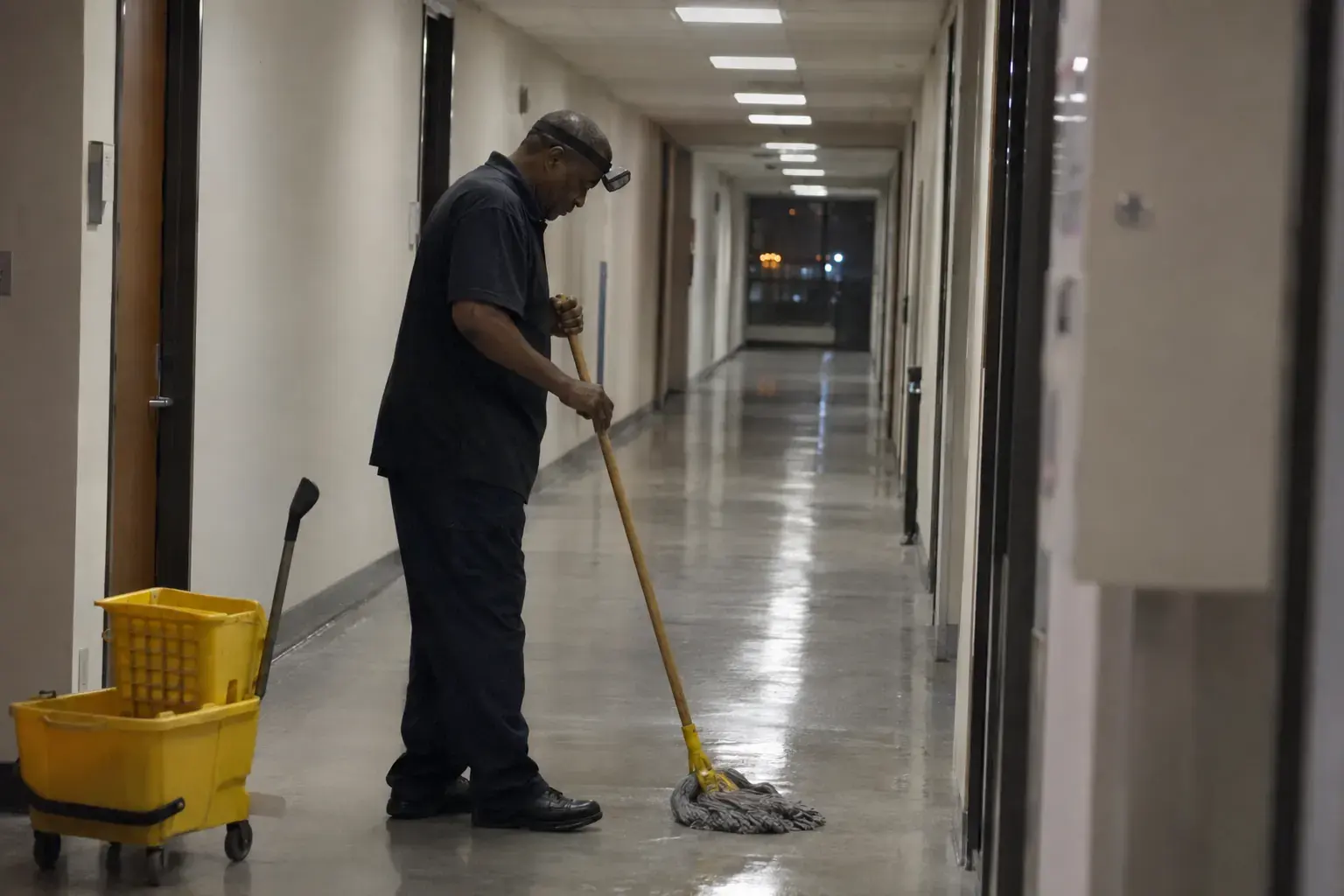
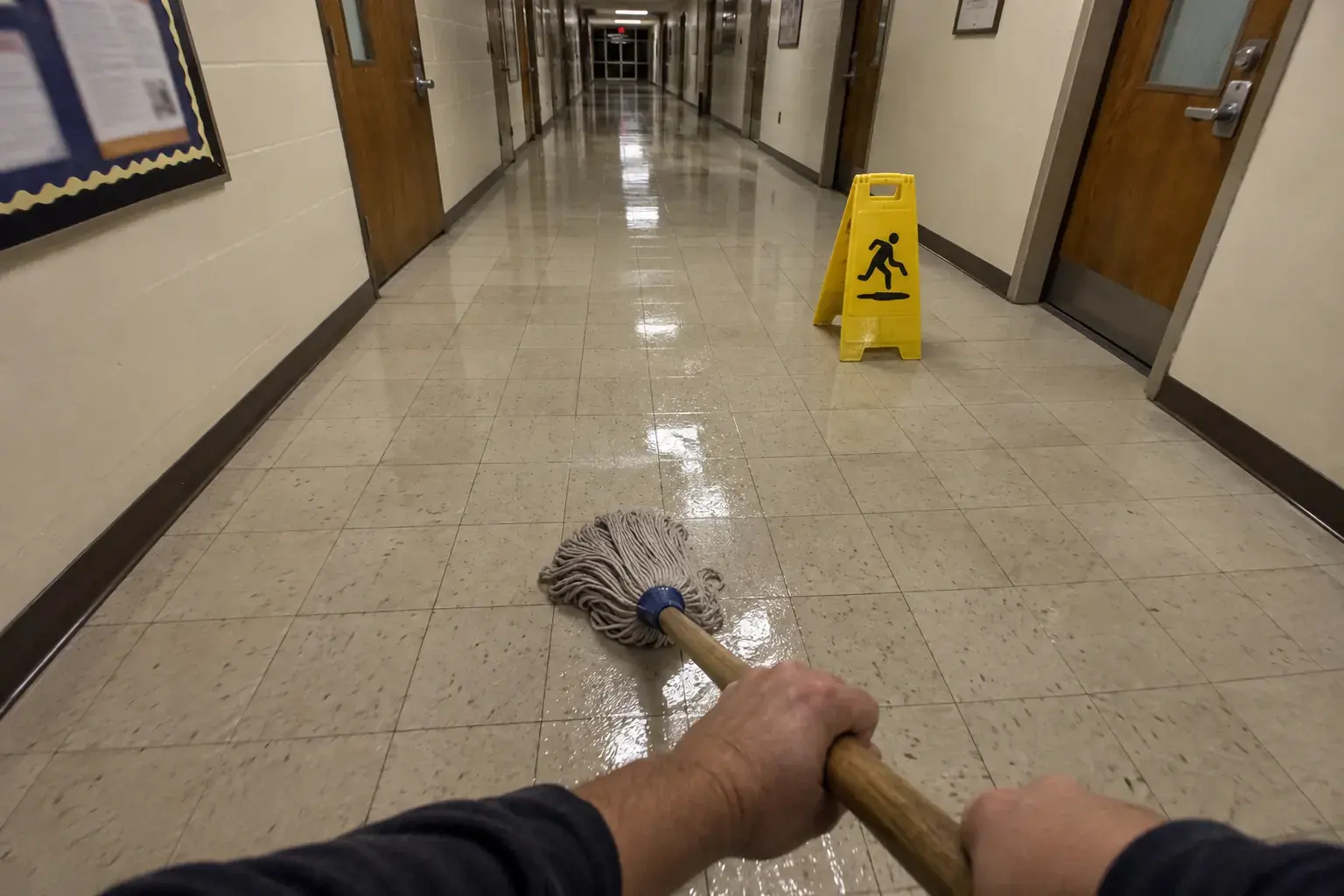
- 1You recordA cleaner wears the phone and does the normal job.
- 2You uploadThe video goes up through the recording app.
- 3We check itOur team reviews quality within 24 to 48 hours.
- 4It gets labeledTasks, hands and tools are marked in the video.
- 5AI and robots learnTraining teams use many hours of it to teach their systems.
The short path
- Your cleaner records a real shift with the phone on a headband.
- After the shift, the video is uploaded to our cloud storage.
- Our team checks it within 24 to 48 hours for view, light and real work.
- Accepted video is labeled by task, like mopping a hallway or emptying trash.
- AI and robot teams use the labeled video to train their systems.
Why the labels matter
A robot team can't learn much from 10 hours of video with no notes. It needs to know which part shows a mop and which part shows a vacuum. That is why your cleaner switches the task in the app when the job changes.
What we keep out
Private areas and personal papers should never be recorded. We explain what to avoid, and what to do if something is caught by mistake.
Under the agreement, Colby owns the video and may share selected video with outside teams. The paperwork page explains that part, which is Section 1.3 of the agreement.
What other owners ask
Who sees my crew's video?
Our team reviews it. Colby may sell or share selected video with outside teams for robot and world model work, as the agreement says.
What if something private gets recorded?
Tell our team right away. We explain what to avoid and what to do when it happens by mistake.